CLNB 2025: The New Future of Silicon-Carbon Anode

Published: Apr 22, 2025 14:53
Source: SMM
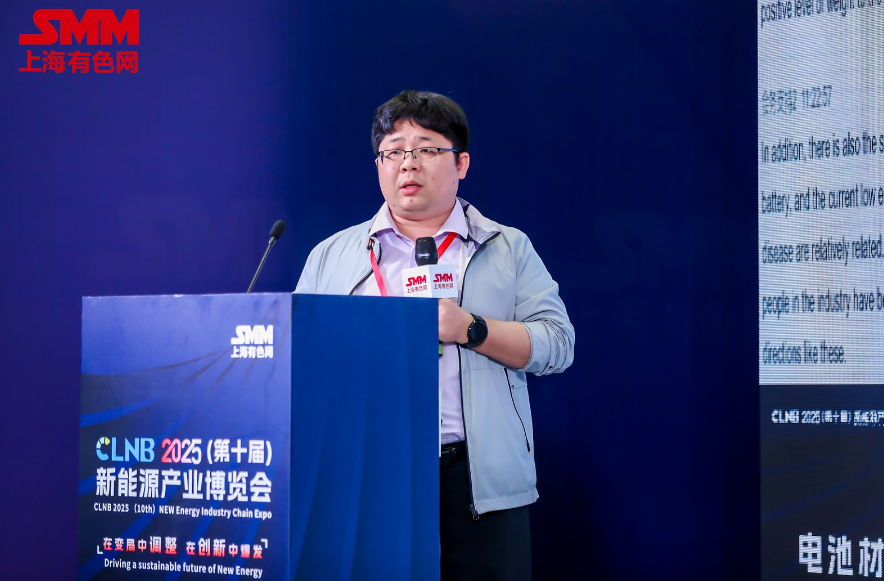
At the Battery Materials Forum of the CLNB 2025 (10th) New Energy Industry Chain Expo hosted by SMM Information & Technology Co., Ltd. (SMM), Lin Shaoxiong, Vice President of the Central Research Institute of Carbon One Group, discussed the topic "Pain Points and Ideas of Silicon-Based Anode Materials."

At the Battery Materials Forum of the CLNB 2025 (10th) New Energy Industry Chain Expo hosted by SMM Information & Technology Co., Ltd. (SMM), Lin Shaoxiong, Vice President of the Central Research Institute of Carbon One Group, discussed the topic "Pain Points and Ideas of Silicon-Based Anode Materials."

Silicon Anode Applications and Pain Points
What are the future demands for battery anodes?

High energy density, high safety, low expansion, long life, and fast charging (4-8C).

Silicon-based anodes, as a future trend, their applications and challenges

Silicon-based anode applications include consumer batteries, power batteries, and the drone and EVTOL sectors. The challenges of silicon anodes are reflected in process safety, batch stability, first efficiency, expansion, storage, fast charging performance, cost, and more.

Silicon Carbon Process Scale-Up Route

Limitations of Rotary Kilns:
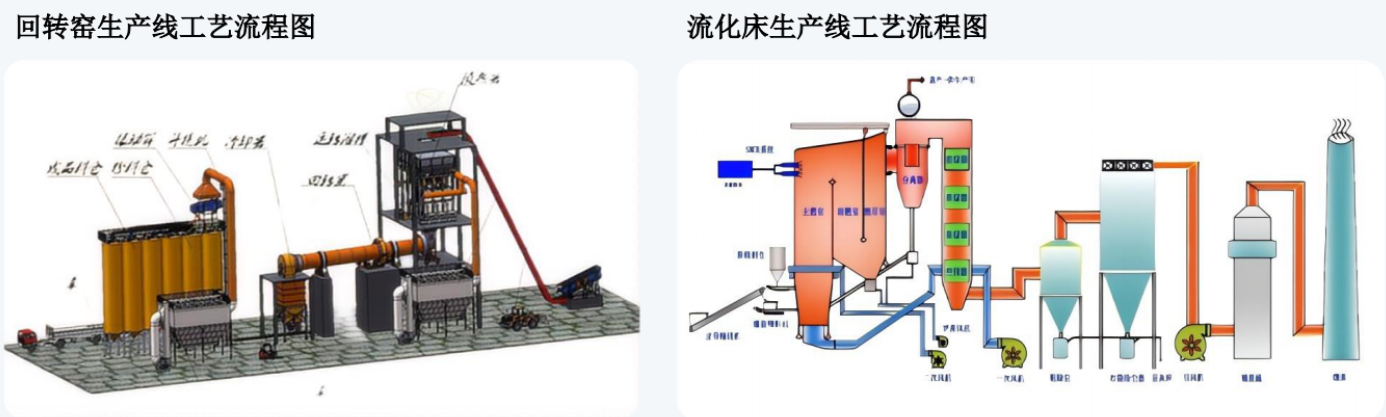
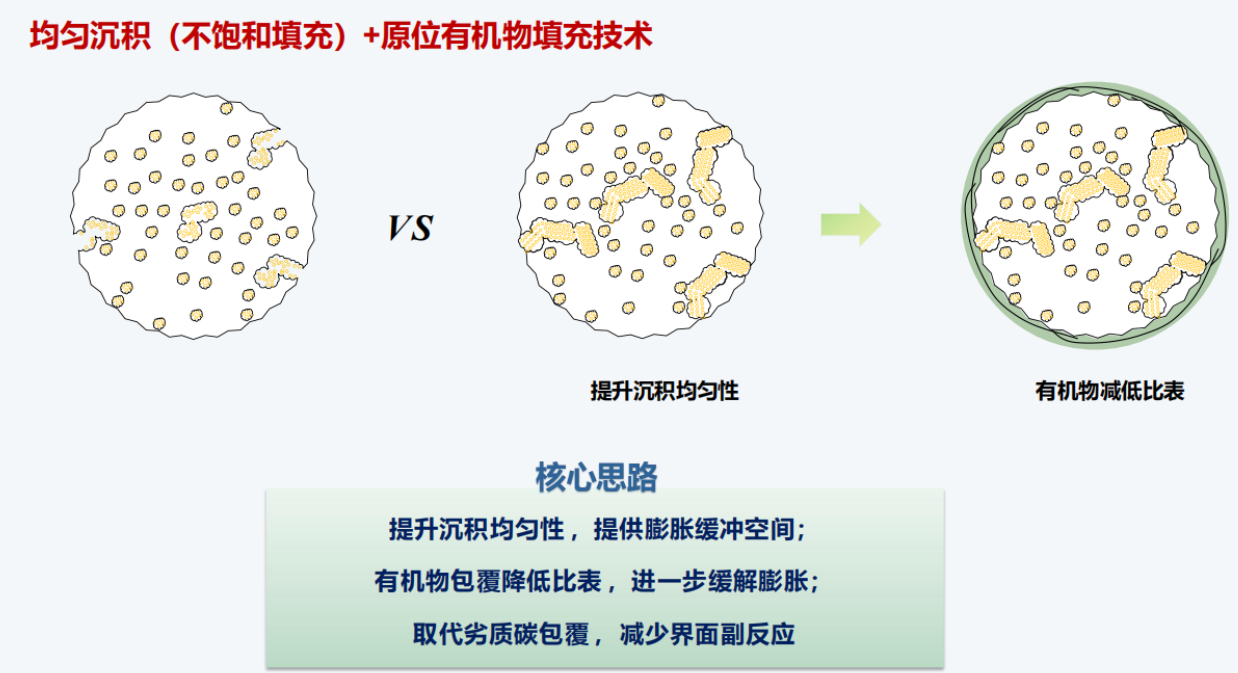
When silane (SiH4) is deposited in a rotary kiln, the uncontrollable particle trajectory can lead to uneven silicon deposition, incomplete carbon coating, and poor batch consistency. Mass Production Challenges of Fluidized Beds:

Although fluidized beds can achieve uniform deposition, they require extremely high equipment sealing and pressure control, and are difficult to scale up to mt-level capacity, resulting in low silane utilization (only 30%~50%) and increased costs. Precise Control of Temperature and Pressure:

CVD processes require precise control of furnace temperature zones and silane partial pressure at high temperatures, otherwise amorphous silicon or silicon particle agglomeration may form, affecting performance. Silicon-Based Anode Ideas

The New Future of Silicon Carbon—Vapor Deposition Process

Vapor Deposition Silicon Carbon Process Diagram

Abundant Sources of Porous Carbon:
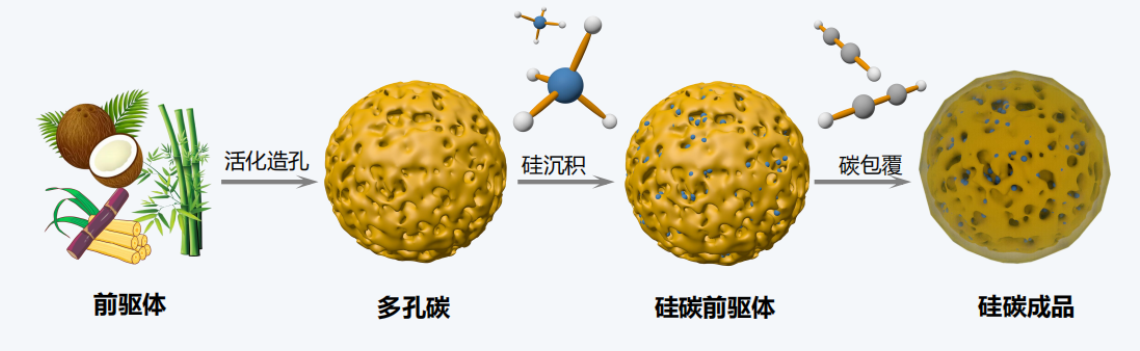
Biomass materials, such as coconut shells, rice husks, wood, and other biomass waste, are naturally renewable; resin materials, such as phenolic resin, are chemical products. High Energy Density:

Silicon carbon anodes have high specific capacity characteristics, providing higher energy density, thereby increasing the driving range of batteries. Long Cycle Life:

Silicon carbon anodes have good stability, capable of enduring hundreds or even thousands of charge-discharge cycles, thus extending battery life. Environmental Protection:

CVD steam separation technology is an environmentally friendly preparation method that does not produce harmful waste and meets green energy requirements. Porous Carbon Substrate Direction

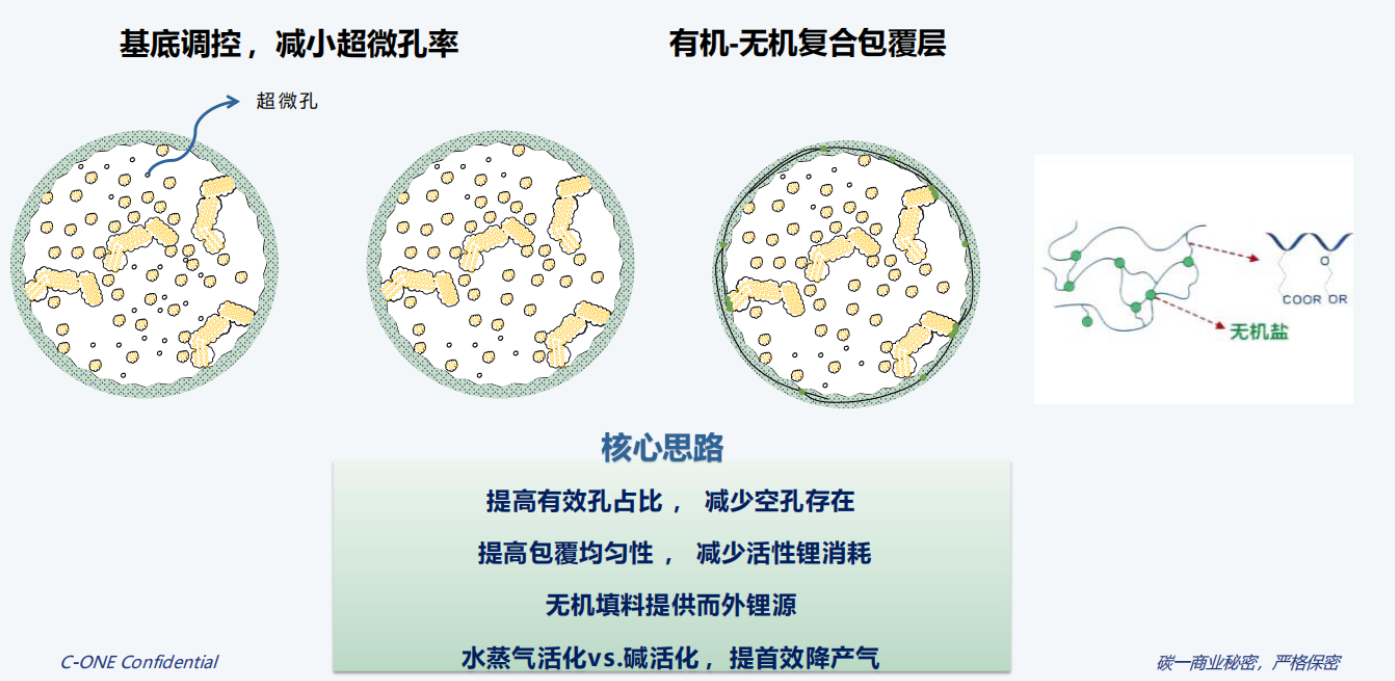
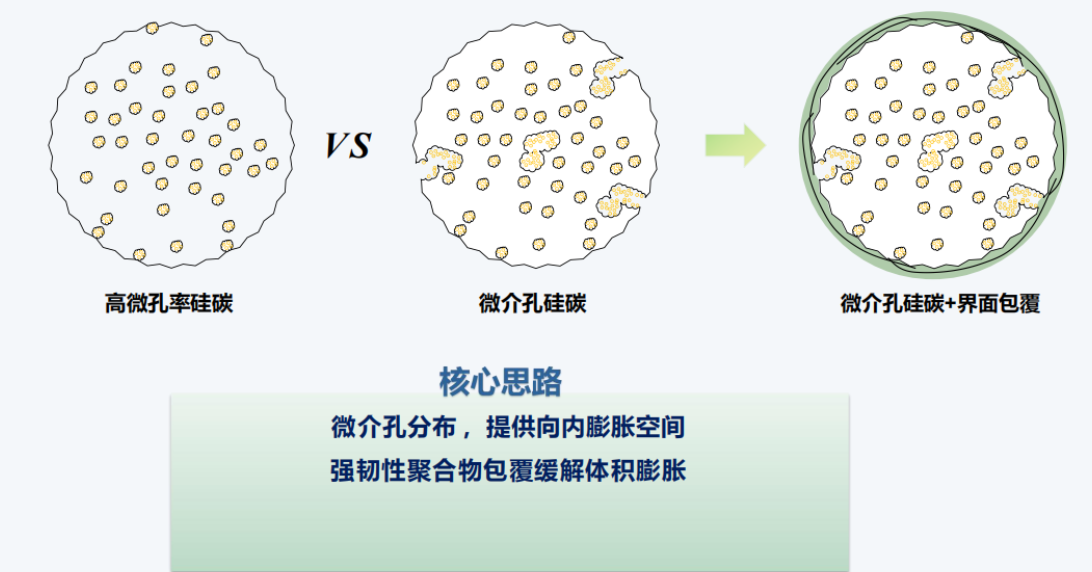
Reducing Silicon Carbon Expansion
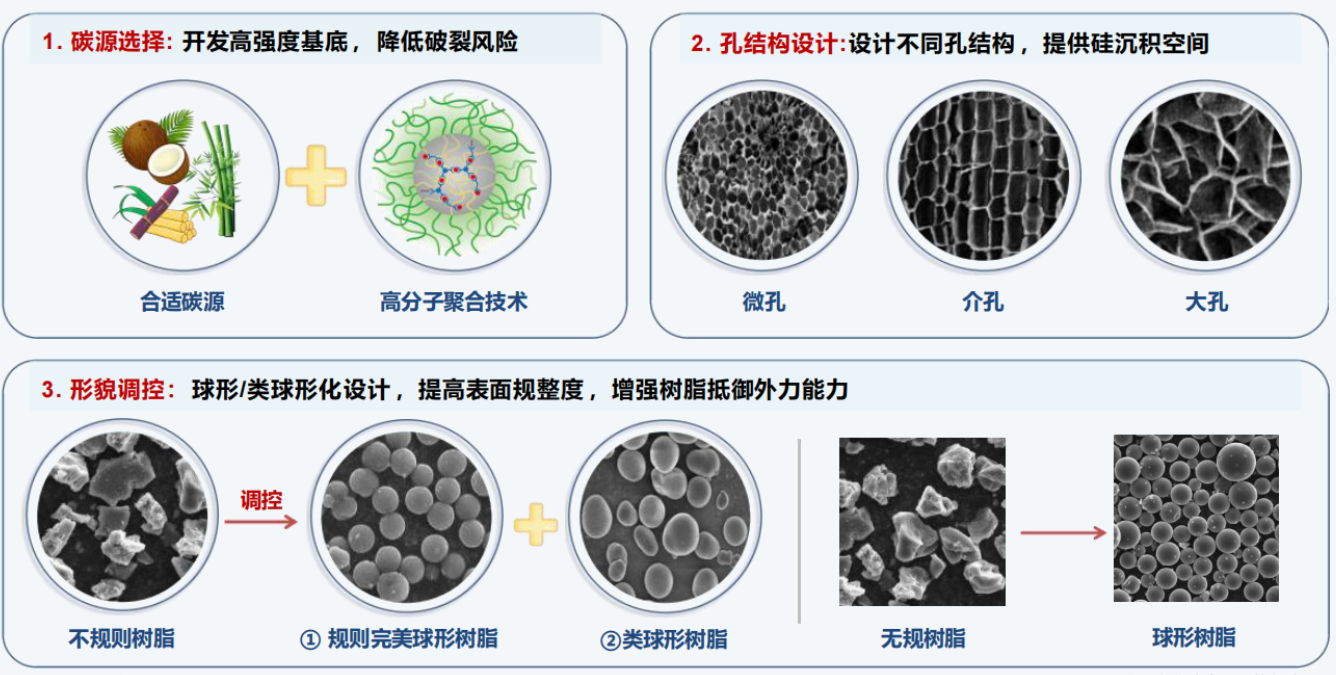
Introducing mesopores to provide expansion buffer space, combined with interface coating technology

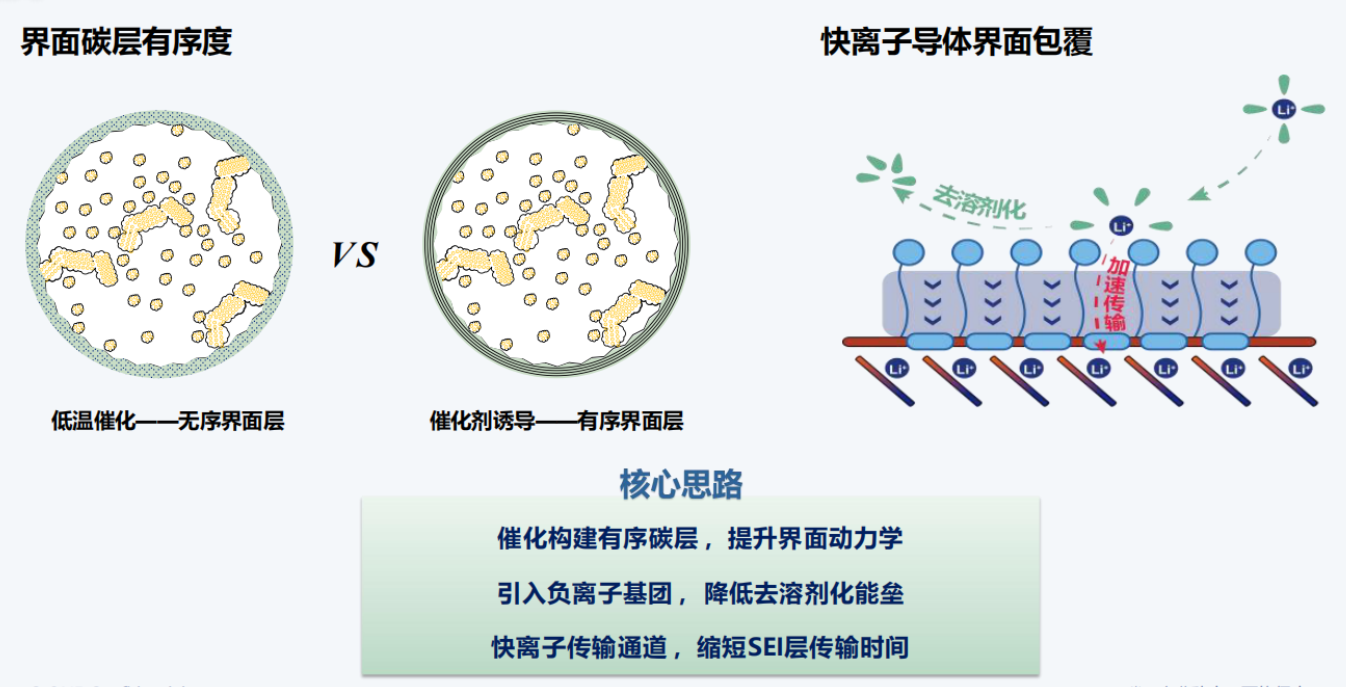
Improving Fast Charging Performance
Enhancing Silicon Carbon First Efficiency

Follow Us For More Information

LinkedIn: https://www.linkedin.com/company/98924065/admin/dashboard/

Facebook: https://www.facebook.com/profile.php?id=61572704694550

X.: https://x.com/CLNB_official

Data Source Statement: Except for publicly available information, all other data are processed by SMM based on publicly available information, market communication, and relying on SMM‘s internal database model. They are for reference only and do not constitute decision-making recommendations.

For any inquiries or to learn more information, please contact: lemonzhao@smm.cn
For more information on how to access our research reports, please contact:service.en@smm.cn
Related News
Beijing Launches 500-kV Power Project in Fengtai, Boosting Grid Resilience and Industrial Growth
32 mins ago
Beijing Launches 500-kV Power Project in Fengtai, Boosting Grid Resilience and Industrial Growth
Read More
Beijing Launches 500-kV Power Project in Fengtai, Boosting Grid Resilience and Industrial Growth
On January 28th, the construction of the 500-kilovolt power transmission and transformation project in Fengtai, Beijing officially started. This project is the first newly-built 500-kilovolt power grid project in Beijing during the 15th Five-Year Plan period. It will significantly enhance the resilience and power receiving capacity of the southern Beijing power grid and provide reliable power support for Beijing to continuously optimize the investment structure and vigorously develop high-end, precise, and cutting-edge industries. The 500-kilovolt power transmission and transformation project in Fengtai, Beijing is a key project of Beijing's power grid during the 15th Five-Year Plan period and one of the "3 100" key projects in Beijing this year. It is constructed and managed by the State
32 mins ago
Shaanxi-Anhui UHV DC Project's 500-kV AC System at Hezhou Station Begins Operation After Trial Run
35 mins ago
Shaanxi-Anhui UHV DC Project's 500-kV AC System at Hezhou Station Begins Operation After Trial Run
Read More
Shaanxi-Anhui UHV DC Project's 500-kV AC System at Hezhou Station Begins Operation After Trial Run
On February 1st, the 500-kilovolt AC system of the Hezhou Converter Station, the receiving-end station of the ±800-kilovolt UHV DC power transmission project from northern Shaanxi to Anhui, was officially put into operation after a 24-hour trial run.
35 mins ago
750-kV Power Line Connecting Northern to Central Shaanxi Fully Operational
36 mins ago
750-kV Power Line Connecting Northern to Central Shaanxi Fully Operational
Read More
750-kV Power Line Connecting Northern to Central Shaanxi Fully Operational
On February 2nd, the 750-kilovolt power transmission and transformation project of the third passageway from northern Shaanxi to central Shaanxi was fully connected. The project starts from the 750-kilovolt Shuofang Substation in Shenmu City in the north and ends at the 750-kilovolt Bailuyuan Substation in Lantian County in the south. It has newly built a 1,271-kilometer line, passing through 18 counties (districts) in 4 cities including Yulin, Yan'an, Weinan and Xi'an.
36 mins ago